
Fastrak Lane Scam: The Truth Behind The Controversy - Fastrak lane scams come in various forms, each targeting different aspects of the system. Below are some of the most prevalent scams drivers should be aware of: These statistics underscore the importance of addressing the issue and implementing effective solutions to protect drivers.
Fastrak lane scams come in various forms, each targeting different aspects of the system. Below are some of the most prevalent scams drivers should be aware of:
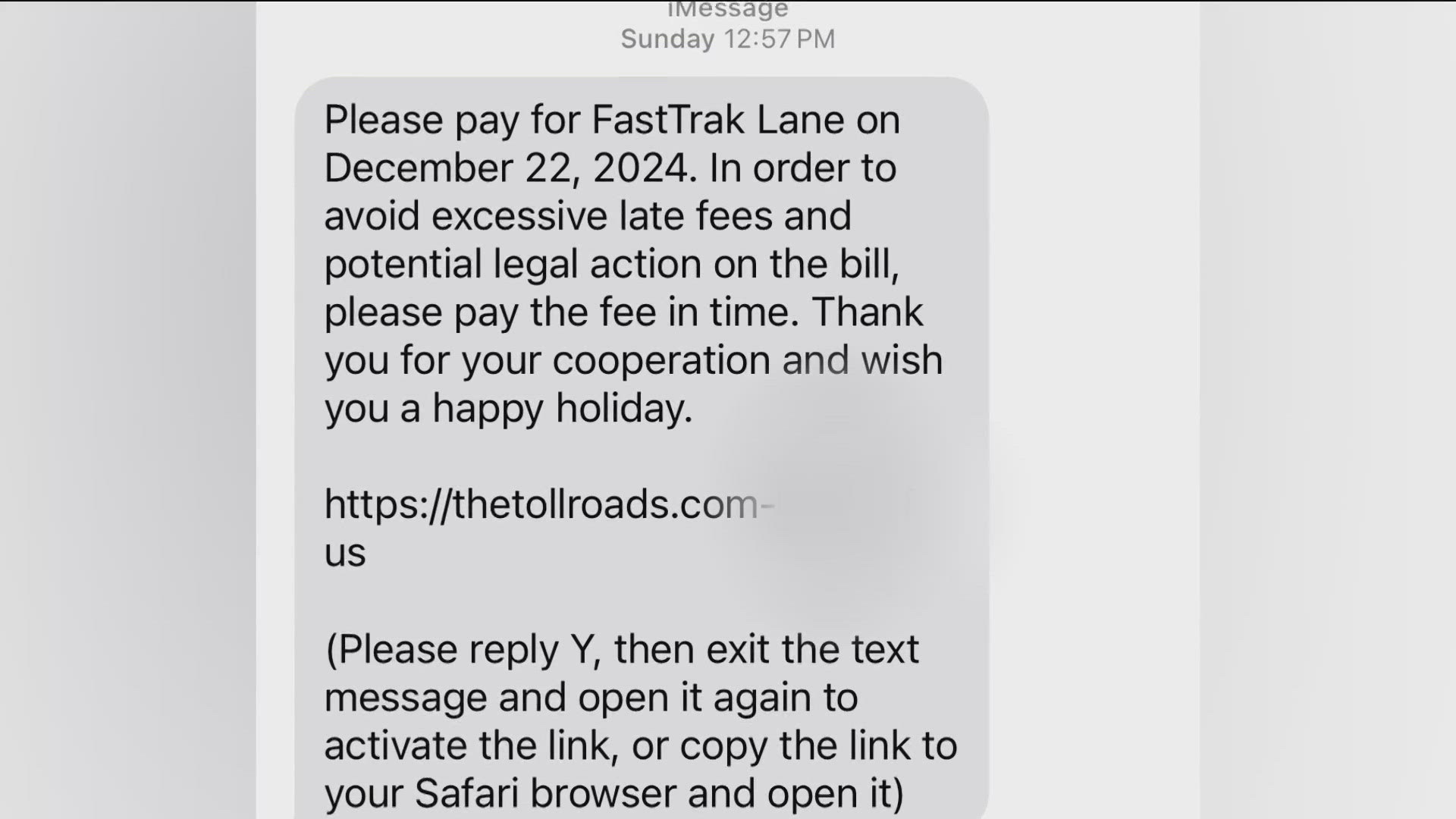
Scammers target FasTrak drivers with threatening text messages
The controversy surrounding Fastrak lane scams highlights the need for vigilance and proactive measures to protect drivers. By understanding the origins of the issue, recognizing common scams, and implementing prevention strategies, drivers can navigate Fastrak lanes with confidence.
Understanding these scams is crucial for drivers who want to protect themselves from potential fraud. In the following sections, we will explore the history of Fastrak lanes and how they operate to provide a clearer picture of the issue.
Fastrak lanes are designated toll lanes designed to offer drivers a faster, more efficient way to navigate highways. These lanes are typically equipped with electronic toll collection systems that allow drivers to pay tolls without stopping. The primary goal of Fastrak lanes is to reduce congestion and improve traffic flow.
Scammers often send phishing emails to Fastrak users, claiming there is an issue with their account. These emails typically include links to fake websites designed to steal personal information.
By following these tips, drivers can significantly reduce their risk of falling victim to scams. In the next section, we will explore legal actions taken against scammers and their impact on the Fastrak system.
By understanding these scams, drivers can take proactive steps to protect themselves. In the following section, we will provide prevention tips to help drivers stay safe.
Authorities have taken significant steps to combat Fastrak lane scams and protect drivers. Legal actions include prosecuting scammers, implementing stricter security measures, and educating the public about potential risks. These efforts aim to restore trust in the Fastrak system and ensure a safe commuting experience for all users.
Whether you are a regular commuter or simply curious about the topic, this comprehensive guide aims to clarify the facts, debunk myths, and equip you with the knowledge needed to navigate this issue effectively. Let's begin by examining the background of Fastrak lanes and the origins of the controversy.
The concept of Fastrak lanes dates back to the early 2000s when transportation authorities began exploring ways to improve traffic management. The first Fastrak system was implemented in California, USA, as part of a broader initiative to enhance highway efficiency. Since then, Fastrak lanes have been adopted in various regions worldwide, each with its unique implementation and challenges.
The Fastrak lane system, designed to streamline traffic and provide a more efficient commuting experience, has been widely adopted in various regions. However, allegations of scams and unethical practices have cast a shadow over its reputation. In this article, we will explore the truth behind these claims and provide actionable insights for drivers.